Understanding Internal Job Postings
Definition and Purpose of Internal Job Postings
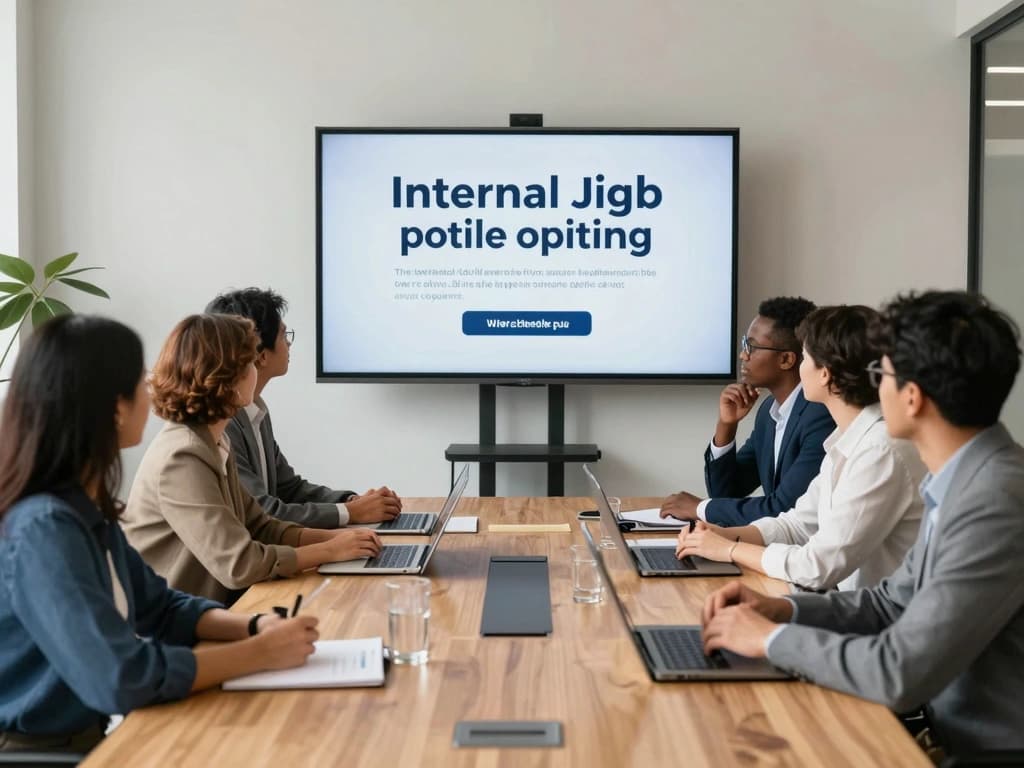
Internal job postings are job openings that are exclusively advertised to current employees of an organization. This practice allows employees to apply for new positions within the same company, promoting internal mobility and career development. The primary purpose of internal job postings is to leverage existing talent and knowledge within the organization while providing employees with opportunities for advancement and skill enhancement.
Benefits for Employees and Employers
The benefits of internal job postings are manifold, both for employees and employers:
- For Employees:Career Growth: Employees gain opportunities to advance their careers without leaving the organization.
- Familiar Environment: Internal candidates are already familiar with the company's culture and operations, which can lead to a smoother transition.
- Skill Development: These postings encourage employees to develop new skills and take on new challenges.
For Employers:
- Cost-Effective: Hiring from within can save recruitment costs associated with external hires.
- Employee Retention: Internal mobility can improve employee satisfaction and retention rates.
- Knowledge Retention: Internal hires maintain organizational knowledge, reducing the risk of losing valuable insights.
Common Misconceptions about Internal Job Postings
Despite their advantages, several misconceptions about internal job postings persist:
- Only Top Performers Apply: Some believe that only high achievers will apply for internal positions. In reality, employees at various performance levels seek new opportunities.
- Internal Candidates Are Guaranteed the Job: While internal candidates have an advantage, they must still meet the qualifications and perform well in the interview process.
- Internal Mobility Harms Team Dynamics: Some fear that promoting from within can disrupt existing teams. However, when managed well, this can actually enhance team morale and productivity.
The Internal Job Posting Process
Steps to Create an Internal Job Posting
The creation of an internal job posting involves several critical steps:
- Identify the Need: Determine the need for the position, whether due to an employee leaving, a new project, or expansion.
- Draft the Job Description: Create a detailed job description outlining responsibilities, required skills, and qualifications. This should be tailored to highlight areas where current employees may excel.
- Set a Timeline: Establish a timeline for the posting period, typically ranging from one to four weeks, depending on the urgency of the hiring need.
- Choose Communication Channels: Decide how to communicate the posting to employees. This could involve email announcements, intranet postings, and team meetings.
How Job Descriptions Differ for Internal Candidates
Job descriptions for internal candidates often differ from those for external candidates in several key ways:
- Emphasis on Company Culture: Internal postings highlight the cultural fit and shared values of the organization, which may not be as relevant in external job descriptions.
- Focus on Internal Experience: Internal candidates are already familiar with the company’s processes, so job descriptions can assume a baseline level of knowledge that external candidates may not possess.
- Potential for Development: Descriptions may emphasize growth opportunities within the role, appealing to employees eager to advance their careers.
Approval and Communication Channels
Once the internal job posting is drafted, it goes through an approval process that typically involves:
- Manager Approval: The hiring manager must approve the job posting, confirming that the position aligns with team needs.
- HR Review: The HR department reviews the posting for compliance with company policies and procedures.
- Communication Strategy: Once approved, the communication strategy is executed. This may include email blasts, company newsletters, and announcements during team meetings.
Candidate Eligibility and Selection Criteria
Who Can Apply for Internal Job Postings?
Eligibility for applying to internal job postings usually includes:
- Current Employees: Only those currently employed by the organization are eligible to apply.
- Tenure Requirements: Some companies may require a minimum tenure in the current role or department before applying.
- Performance Standards: Employees may need to meet certain performance metrics or ratings to be considered.
Key Selection Criteria for Internal Candidates
The selection criteria for internal candidates often include:
- Relevant Experience: Candidates should demonstrate relevant experience in their current role and how it applies to the new position.
- Skills and Qualifications: Specific skills and qualifications outlined in the job description need to be met, similar to external candidates.
- Team Contributions: Contributions to team projects and initiatives can play a significant role in the selection process.
Role of Performance Evaluations in the Selection Process
Performance evaluations are critical in the internal selection process:
- Objective Assessment: Performance reviews provide an objective assessment of an employee's capabilities and achievements.
- Feedback Utilization: Feedback from past reviews can help guide employees on areas for improvement before applying for new roles.
- Promotion Readiness: Consistently high performers are often viewed as more suitable candidates for internal promotions.
Interviewing Internal Candidates
Differences Between Internal and External Interviews
Interviewing internal candidates differs from external candidates in several ways:
- Familiarity with the Organization: Internal candidates are already familiar with the company’s operations, culture, and team dynamics, requiring less time spent on orientation during the interview.
- Focus on Growth Potential: Interviews for internal candidates often emphasize growth potential and how they can leverage their existing knowledge in the new role.
- Discussion of Transition: Conversations around how the candidate will transition from their current role to the new position are more pertinent in internal interviews.
Best Practices for Interviewing Internal Candidates
To conduct effective interviews with internal candidates, consider the following best practices:
- Maintain Objectivity: Ensure that the interview process is fair and unbiased, treating internal candidates with the same standards as external ones.
- Encourage Transparency: Discuss the reasons for the position opening and what the expectations are for the new role, encouraging open dialogue.
- Incorporate Peer Interviews: Involving potential future colleagues in the interview process can provide valuable insights and foster team acceptance.
Involving Current Managers in the Interview Process
Involving current managers in the interview process is essential for several reasons:
- Understanding Team Dynamics: Managers can assess how the internal candidate will integrate into the team and contribute to ongoing projects.
- Insight into Candidate’s Work Style: Current managers can provide insights into the candidate's past performance and work style, which can inform the hiring decision.
- Facilitating Smooth Transitions: Manager involvement can help in creating a plan for transitioning responsibilities and ensuring that both the current and new roles are adequately supported.
Onboarding and Transition for Successful Internal Candidates
Preparing Internal Candidates for Their New Role
Once an internal candidate is selected, effective onboarding is crucial:
- Role-Specific Training: Provide training tailored to the new position, focusing on any new skills or knowledge required.
- Mentorship Opportunities: Pairing new hires with mentors in their new role can facilitate smoother transitions and enhance learning.
- Clear Expectations: Set clear expectations regarding performance goals and timelines to ensure the candidate understands their new responsibilities.
Managing Team Dynamics Post-Promotion
Managing team dynamics after an internal promotion is vital to maintaining morale and productivity:
- Encourage Open Communication: Foster an environment where team members can discuss changes and express concerns openly.
- Team Building Activities: Organize team-building activities to strengthen relationships and integrate the new leader into the team.
- Regular Check-Ins: Schedule regular check-ins with the newly promoted employee to address any challenges they may face in their new role.
Feedback Mechanisms for Continuous Improvement
Implementing feedback mechanisms is essential for continuous improvement in the internal job posting process:
- Post-Hiring Surveys: Conduct surveys with both successful and unsuccessful candidates to gather insights about the hiring process.
- Performance Reviews: Monitor the performance of internal hires to assess the effectiveness of the selection process and identify areas for improvement.
- Regular Process Evaluation: Regularly evaluate and refine the internal job posting and selection processes based on feedback and changing organizational needs.